Pack for conditions, not optimism
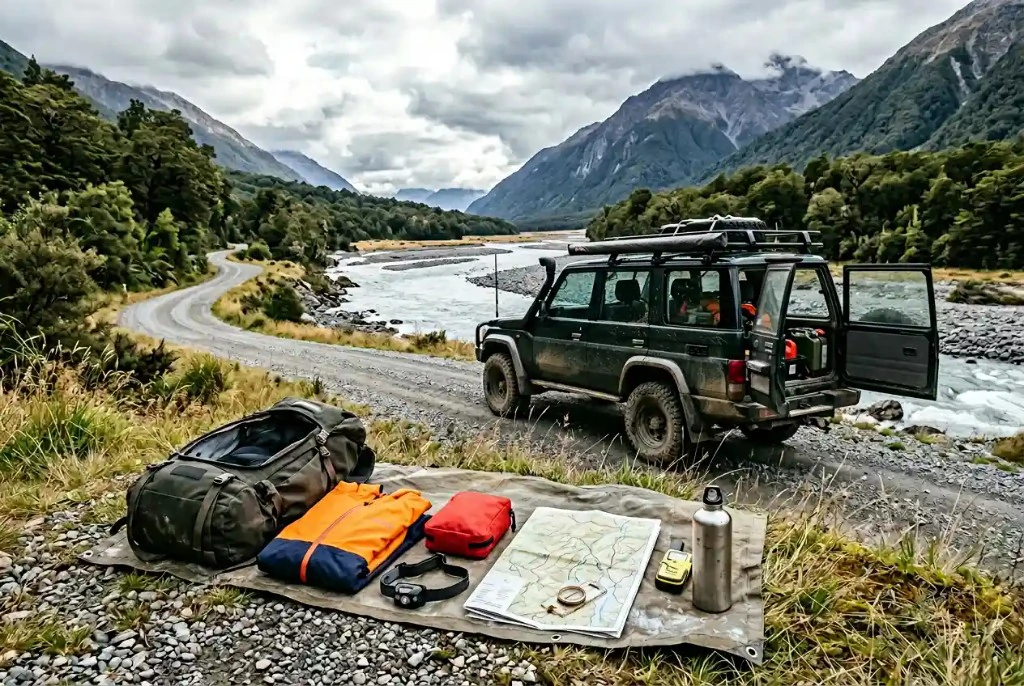
Outdoors trips in New Zealand can flip quickly from warm sun to cold wind and rain, which is why planning location matters as much as gear — especially if you are choosing from the weekend river spots guide. The smartest habit is packing for likely change, not the nicest forecast screenshot. Start with layers you can add or remove easily, then add a dry jacket and spare socks as non-negotiables. A small change in weather feels manageable when your kit is prepared.
Food and water are just as important as clothing. Bring more water than you think you will need, plus one extra snack that can sit in your bag without fuss. Good energy decisions reduce rushed decisions later in the day.
Check routes and timing before leaving
Confirm access points, driving times, and daylight windows; if your weekend also includes fixtures, this pairs nicely with smart weekly scheduling. If you are heading somewhere unfamiliar, save a map offline and tell someone where you are going. This one habit solves many avoidable problems.
Keep safety simple and consistent
You do not need a giant expedition kit for a day trip. You do need consistency: phone power, basic first aid, weather layer, and a realistic turnaround time. When the day feels smooth and unforced, you have planned it right.
Small habits that prevent big hassles
A lot of outdoor mishaps are not dramatic mistakes; they are tiny misses that stack up. A forgotten headlamp, low phone battery, no dry layer, no turnaround time. None of these seem huge on their own, but together they can turn a relaxed day into a stressful one. The practical fix is to use one consistent pre-trip sequence every single time. Run through the same checklist in the same order and you will catch issues before they matter.
Another good NZ habit is planning for wet feet, muddy tracks, and variable roads even on clear days. Pack one simple backup option: a shorter route, an earlier finish, or a nearby stop where everyone can regroup. Flexible plans are safer plans. You still get adventure, but with fewer bad surprises and better decision-making when weather or energy changes halfway through the day.